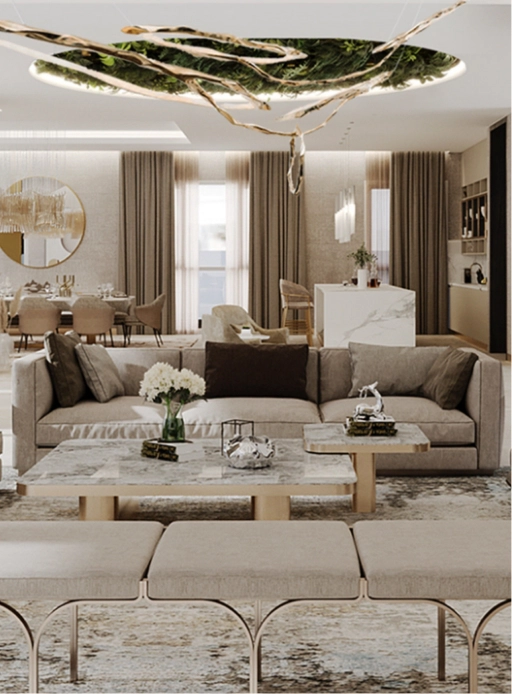
Why does one room feel warm and inviting while another feels cold, even when both have beautiful furniture and finishes? Colour and lighting often hold the answer. The right combinations can highlight architectural features, create depth, and completely change how a space feels throughout the day.
Interior design consultants use colour palettes and layered lighting to shape atmosphere, balance aesthetics, and make spaces feel more comfortable. Keep reading to find out how these design decisions work together.
Color sets the mood
Every shade carries an emotional message. Soft beige, cream, and pale grey bring a relaxed atmosphere, while navy, forest green, and burgundy add depth and drama. Bright yellow or coral introduces energy into lively spaces. A good color scheme also considers room size, natural light, furniture finishes, and the mood residents want to express.
Natural light deserves attention
Sunlight changes the appearance of paint, fabrics, and flooring throughout the day. Morning light adds freshness, while afternoon rays bring warmer tones into a room. Large windows, sheer curtains, and reflective surfaces help daylight reach deeper corners. An interior design consultant studies window placement and sun direction before recommending wall shades or decorative finishes.
Artificial lighting adds depth
Ceiling fixtures provide general illumination, while table lamps and wall lights introduce softer layers. Pendant lights draw the eye towards dining tables or kitchen islands. Recessed fixtures offer a clean finish, while floor lamps make reading corners inviting. Combining several light sources gives residents greater control over brightness and atmosphere during different activities.
Warm and cool tones work differently
Warm lighting suits bedrooms, lounges, and dining areas because its golden glow supports a relaxed mood. Cool white lighting offers clarity in kitchens, study rooms, and workspaces. Matching bulb temperature with wall color also matters. A cool bulb may make beige paint appear dull, while warm lighting can soften a stark white interior.
Color and lighting must work together
A rich wall shade may look striking in daylight but appear heavy after sunset. Pale surfaces reflect light and help compact rooms appear open. Dark finishes absorb light and add intimacy to spacious interiors. Designers test paint samples under several lighting conditions before final selection, helping residents avoid costly changes after installation.
Small details complete the room
Switch placement, dimmer controls, lampshades, and fixture finishes all contribute to a polished interior. A dimmer allows one room to support work, family time, and quiet evenings. Consistent metal finishes also help lighting fixtures complement taps, handles, and furniture accents.