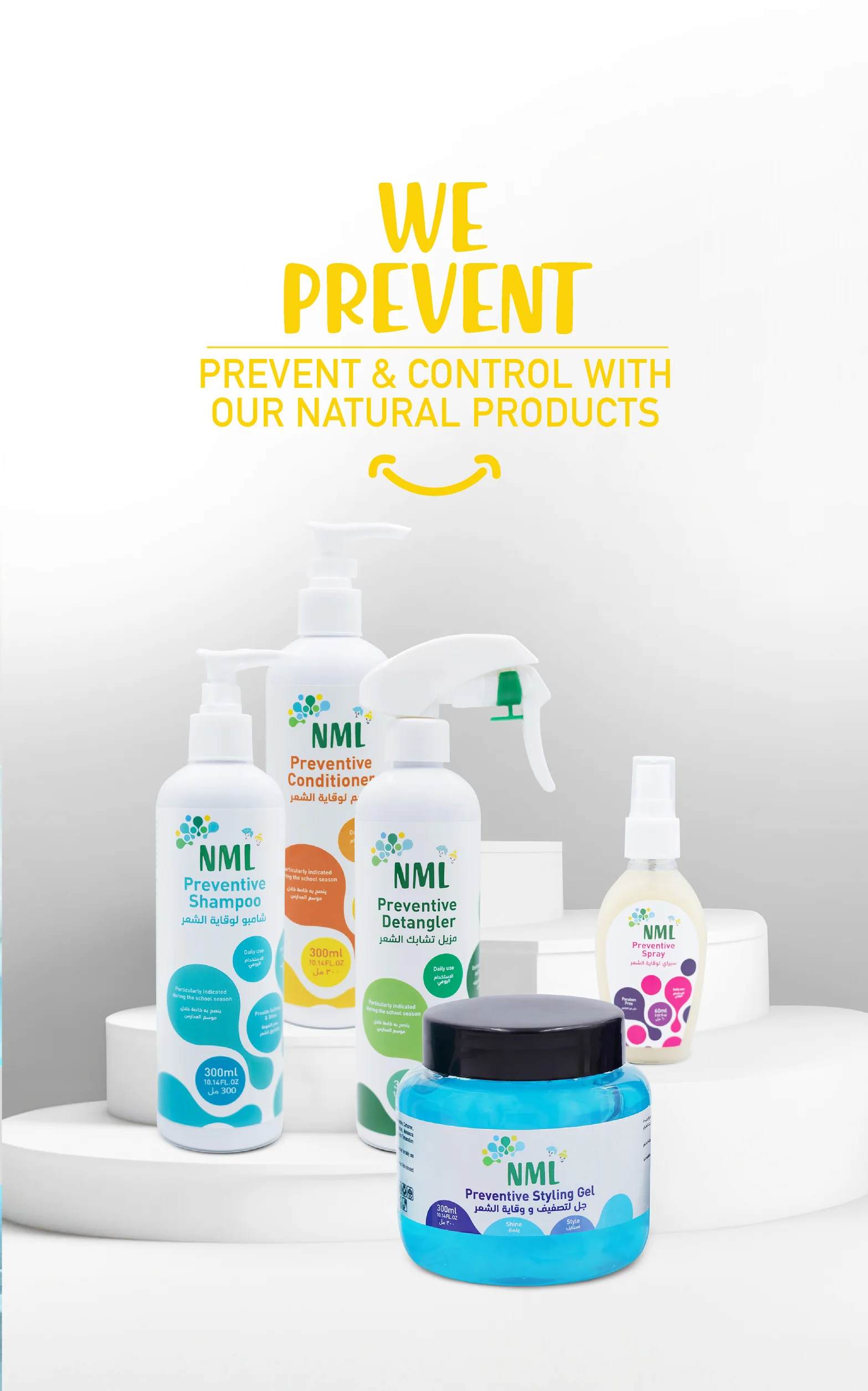
Lice spread easily among family members, particularly when people share close spaces, bedding, brushes, or personal items. Spotting itching and tiny eggs early helps families respond before the problem grows. A consistent routine supports effective removal and reduces repeat infestations.
This guide explains practical steps for choosing and using lice treatment UAE at home safely and effectively.
Spot the signs early
Head lice usually cause scalp itching, crawling sensations, or small red marks around the neck and ears. Some people show mild symptoms at first, so regular scalp checks help catch an infestation sooner. Look closely under bright light and use a fine toothed comb to inspect hair sections. Nits attach firmly near the scalp and appear as tiny pale or brownish specks.
Choose the right treatment
Several products target live lice, while some also affect eggs. Read the product label before application and follow the listed instructions for age limits, application time, and repeat use. Families should choose a product suitable for the affected person’s age. Avoid mixing different lice products unless a healthcare professional gives specific guidance.
Apply treatment correctly
Apply the selected product exactly as directed on the packaging. Some products work best on dry hair, while others require damp hair. Cover the scalp and hair thoroughly, especially around the ears and neckline. Follow the stated timing and rinse as instructed.
Use a fine-toothed comb
Combing remains an important part of family lice care. Divide damp hair into small sections and run a fine-toothed comb from the scalp toward the ends. Wipe the comb after each pass and inspect it for lice or eggs. Repeat the process regularly according to product guidance. Thorough combing helps remove insects and nits that remain after treatment.
Check every family member
One person with lice can expose other household members through close head-to-head contact. Inspect each person’s scalp and hair, especially those who share beds or spend considerable time together. Treat people who have live lice according to suitable product instructions. Avoid treating family members who show no evidence of live lice unless a healthcare professional advises it.
Clean household items
Focus cleaning efforts on items that recently touched the affected person’s head. Wash pillowcases, recently used bedding, towels, hats, and clothing in hot water when the fabric allows, then dry them thoroughly. Soak combs and brushes in hot water according to safe care instructions. Vacuum upholstered furniture and floors where loose hairs may remain.